The Ragnarok skin stands as one of Fortnite‘s most iconic rewards, a testament to the grind and dedication of Season 5 players. Released during the summer of 2018, this Norse-inspired Tier 100 skin became legendary not just for its imposing design, but for its progressive upgrade system that kept players engaged long after the season ended. Unlike many battle pass skins that followed, Ragnarok’s upgrades could be completed at the player’s own pace, a feature that made it accessible and beloved by millions.
Whether you’re a veteran who earned Ragnarok back in Chapter 1 or a newer player curious about this legendary cosmetic, understanding what made this skin special offers insight into Fortnite’s evolution. From its Viking warrior aesthetic to the satisfaction of unlocking each progressive stage, Ragnarok represented Epic Games at their creative peak during the battle royale’s golden era.
Table of Contents
ToggleKey Takeaways
- Ragnarok Fortnite remains an iconic Tier 100 skin from Season 5 (2018) featuring a Norse-inspired Viking warrior with a unique six-stage progressive upgrade system unlocked through XP.
- Unlike previous Tier 100 skins like Omega, Ragnarok’s upgrades had no time limit, allowing players to complete them at their own pace even after the season ended, making it more accessible while maintaining meaningful grind.
- Reaching max Ragnarok required 250,000 cumulative XP, equivalent to around Season Level 55-60, which could be earned through survival-based gameplay, challenges, and squad bonuses rather than pure elimination count.
- Ragnarok is permanently unobtainable as of 2026 since Season 5 ended September 27, 2018; Epic Games maintains the policy that battle pass cosmetics are time-limited exclusives that never return.
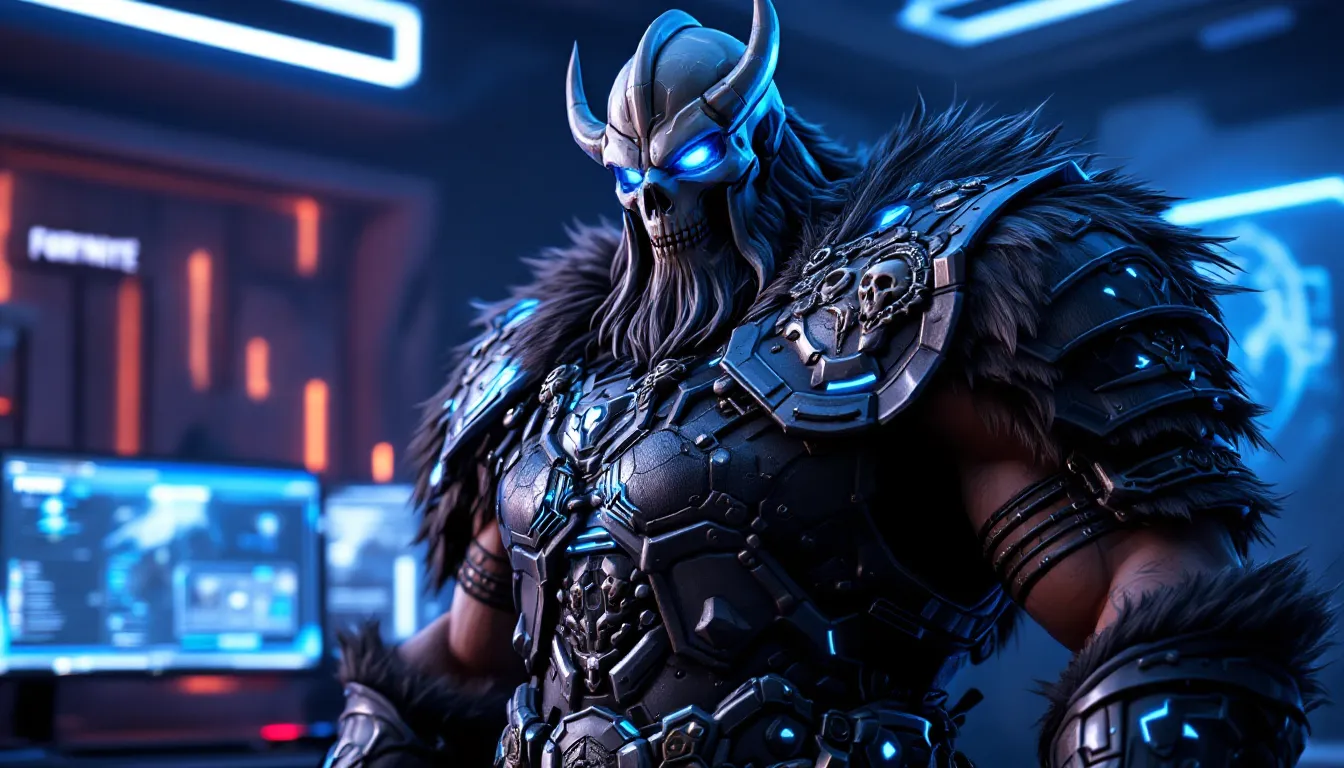
- The skin’s six stages feature dramatic visual progression from clean black and gray armor to a massive, imposing warlord form with extensive bone decorations, fur accents, and intense blue glowing effects.
- Ragnarok’s enduring prestige stems from its combination of OG status, satisfying progression system, competitive viability, and cultural impact through content creator adoption and community creations, making it instantly recognizable in 2026 lobbies.
What Is the Ragnarok Skin in Fortnite?
Ragnarok is a Legendary outfit that served as the final reward in the Season 5 Battle Pass, positioned at Tier 100. The skin draws heavy inspiration from Norse mythology, depicting a Viking warlord with skull motifs, fur-lined armor, and glowing blue accents that intensify with each upgrade stage.
Unlike some Tier 100 skins that felt simplistic in their base form, Ragnarok arrived with immediate visual impact. Even at Stage 1, players received a fully realized warrior design that commanded respect in lobbies and on the battlefield.
The Origins of Ragnarok in Fortnite Season 5
Season 5 launched on July 12, 2018, with the theme “Worlds Collide.” Epic Games introduced rifts that tore through reality, bringing objects and themes from different time periods and locations into the Fortnite island. This narrative framework allowed for the introduction of Viking-themed content, including the Viking Village POI near Snobby Shores.
Ragnarok embodied this Viking invasion perfectly. The skin’s lore positioned him as an ancient warrior awakened by the rifts, though Epic kept narrative details deliberately vague. What mattered more was the visual storytelling, this was a battle-hardened conqueror whose armor told stories of countless victories.
The timing proved perfect. Season 5 ran during summer break for many players, giving the community ample time to grind toward this impressive reward. The season lasted until September 27, 2018, providing over two months of gameplay.
Design and Appearance of the Ragnarok Skin
At its base stage, Ragnarok features black and gray armor with minimal ornamentation. The character model shows a muscular build with exposed arms displaying intricate tattoos. A skull mask covers the face, giving the skin an intimidating presence.
As players unlock subsequent stages, the design evolves dramatically:
- Bone and skull motifs appear across the shoulders and chest
- Fur accents add texture and visual weight to the silhouette
- Glowing blue elements emerge in the eyes, chest, and armor details
- The overall silhouette expands, making the final form noticeably larger
The color palette remains consistent throughout, blacks, grays, bone whites, and electric blues. This cohesion ensures that even partial upgrades look intentional rather than incomplete. The design team clearly planned the progression from the start, with each stage building naturally toward the imposing final form.
How to Unlock the Ragnarok Skin
Battle Pass Requirements and Tier System
Unlocking Ragnarok required purchasing the Season 5 Battle Pass for 950 V-Bucks and reaching Tier 100. The Season 5 tier system worked identically to previous seasons, players earned Battle Stars by completing Daily and Weekly Challenges, with each 10 Battle Stars equaling one tier.
A typical progression path looked like this:
- Purchase the Battle Pass at the start of Season 5
- Complete Weekly Challenges (each set provided 50 Battle Stars)
- Finish Daily Challenges for 5 Battle Stars each
- Earn Battle Stars from leveling up through match XP
- Reach Tier 100 to unlock the base Ragnarok skin
Players who purchased the Battle Bundle (2,800 V-Bucks) received an immediate 25-tier head start, significantly reducing the grind. Season 5 featured 10 weeks of challenges, providing 500 Battle Stars from Weekly Challenges alone, enough for 50 tiers if completed entirely.
The math favored active players. Someone who completed all Weekly Challenges, maintained a decent Daily Challenge completion rate, and played regularly could reach Tier 100 within 6-8 weeks of the season’s 11-week duration.
Can You Still Get Ragnarok in 2026?
No. Ragnarok is no longer obtainable as of 2026. When Season 5 ended on September 27, 2018, the Battle Pass and all its exclusive rewards became permanently unavailable. Epic Games has maintained this policy for battle pass cosmetics, they’re time-limited rewards that don’t return to the Item Shop.
This exclusivity is intentional design. Battle pass skins reward players who participated during specific seasons, creating a visual history of when someone played Fortnite. Players who earned Ragnarok in 2018 wear it as a badge of honor, instantly recognizable to others as an OG cosmetic.
There’s zero indication Epic will change this policy. While some older Item Shop skins return after years of absence, battle pass content remains locked to its original season. Account sellers sometimes advertise Ragnarok accounts, but purchasing accounts violates Epic’s Terms of Service and risks permanent bans.
For players who missed Season 5, similar Viking-themed skins occasionally appear in the Item Shop, though none match Ragnarok’s progressive upgrade system or legendary status.
Ragnarok Skin Upgrades and Styles Explained
Understanding the XP-Based Progression System
Ragnarok introduced a revolutionary feature for Tier 100 skins: upgrades that continued after the season ended. Previous max-tier skins like Omega (Season 4) locked their challenges to the season timeframe, causing frustration when players couldn’t complete them before the deadline.
Epic changed the approach with Ragnarok. The skin’s six stages unlocked purely through XP accumulation, with no time limit. Players could work toward the final form at their own pace, even into future seasons. This made Ragnarok significantly more accessible than Omega while maintaining the grind that made max-tier skins feel earned.
The XP requirements applied account XP, not seasonal XP. Each match contributed to progress regardless of when played. Leveling up, completing challenges, and earning match XP all counted toward unlocking stages. This system respected player time while still requiring substantial commitment.
Many reporters covering gaming culture and progression systems praised this change, noting it reduced FOMO while maintaining engagement.
All 6 Ragnarok Upgrade Stages Breakdown
The six stages required cumulative XP thresholds:
Stage 1 (Base): Unlocked immediately at Tier 100
- Clean black and gray armor
- Skull mask with minimal detail
- Tattooed arms exposed
- No glowing effects
Stage 2: 35,000 XP
- Skull shoulder pads added
- Slightly enhanced armor detail
- Subtle visual weight increase
Stage 3: 75,000 XP
- Bone accents across chest plate
- Fur trim begins appearing
- Eye sockets start faint blue glow
Stage 4: 125,000 XP
- Significant fur additions on shoulders
- Enhanced bone decorations
- Brighter blue glow in eyes and chest
Stage 5: 200,000 XP
- Massive shoulder armor pieces
- Extensive fur coverage
- Pronounced glowing elements
- Noticeably larger silhouette
Stage 6 (Max): 250,000 XP
- Full Viking warlord transformation
- Maximum bone and skull ornamentation
- Intense blue glow throughout armor
- Imposing presence that’s immediately recognizable
Reaching max stage required 250,000 total XP, roughly equivalent to reaching Season Level 55-60 through pure XP grinding. Active players typically unlocked Stage 6 within the same season, while casual players had the comfort of finishing later.
Color Variants and Customization Options
Unlike some battle pass skins that offered multiple color schemes, Ragnarok stayed true to its Viking aesthetic with limited but meaningful variants:
- Default: Black armor with blue accents (the iconic look)
- Purple variant: Unlocked through specific Season 5 challenges, replacing blue glows with purple energy
The purple variant required completing special progressive challenges during Season 5, adding another layer of grinding for completionists. This variant became rarer than the base version since it required both reaching Tier 100 and finishing additional tasks within the season window.
Each color variant applied to all six stages, giving players 12 total appearance combinations. The armor patterns, bone decorations, and fur remained identical, only the glow colors changed. This focused approach kept Ragnarok’s identity consistent while offering personalization.
Best Strategies to Level Up Ragnarok Quickly
Efficient XP Farming Methods
Reaching 250,000 XP for max Ragnarok demanded efficient gameplay. Players who understood XP mechanics could cut grinding time significantly:
Survival Time = Consistent XP
XP rewards scaled with match duration. Lasting until top 10 in solos or top 5 in squads provided substantial bonuses. Conservative players who prioritized survival over kills often earned more XP per hour than aggressive fraggers who died early repeatedly.
Squad Fill for Friend Bonuses
Playing with friends who owned the Battle Pass granted XP multipliers up to 40%. Full squads of Battle Pass owners maximized this bonus. Even playing with randoms via squad fill sometimes triggered friend bonuses if teammates had Battle Pass.
50v50 and LTM Modes
Large team modes like 50v50 provided excellent XP farming. Matches lasted long (15-20 minutes average), guaranteed decent placement, and allowed players to support teammates for assists without mechanical skill barriers. Staying alive in the back healing teammates or farming materials still counted as active time.
Team Rumble (After Its Introduction)
Though Team Rumble launched later, respawn modes became XP goldmines. The combination of eliminations, assists, and guaranteed long match duration made respawn LTMs ideal for grinding. Players could focus on challenges simultaneously while earning solid XP.
Playground Mode (Zero XP)
Crucially, Playground mode granted no XP even though letting players practice. Grinding Ragnarok stages required real matches against other players.
Daily and Weekly Challenges to Prioritize
Challenges provided battle pass tiers (Battle Stars) but also granted XP bonuses. During Season 5, smart players prioritized specific challenge types:
Weekly Challenges (5,000 XP Each)
Completing an entire week’s seven challenges awarded an additional 5,000 XP bonus. This meant 40,000 XP total per week (5,000 × 7 challenges + 5,000 bonus). Clearing all 10 weeks’ challenges delivered 400,000 XP, more than enough for max Ragnarok.
Daily Challenges (500 XP Each)
Daily challenges provided modest individual XP but added up. Completing one daily per day across Season 5’s 11 weeks (77 days) meant 38,500 XP. Replacing difficult dailies for easier ones helped maintain completion streaks.
Challenge Priority List:
- Multi-stage challenges that gave XP per stage completion
- Team-based challenges easily done in squads (“Place top 12 with a friend”)
- Time-based challenges completable passively (“Play 10 matches”)
- Elimination challenges saved for LTMs where they’re easier
- Complex challenges requiring specific locations left for last
Players who methodically cleared challenges while focusing on survival-based gameplay could unlock max Ragnarok within the same season without excessive grinding. The key was consistency, playing 1-2 hours daily with challenge focus beat marathon weekend sessions for XP efficiency.
Ragnarok Back Bling, Pickaxe, and Matching Cosmetics
Ragnarok came with a complete cosmetic set that reinforced the Viking warlord theme:
Frozen Shroud (Back Bling)
The Frozen Shroud back bling featured a tattered cape with ice crystal formations and the same glowing blue accents as the skin. The back bling didn’t have progressive stages like the skin itself, it remained consistent regardless of Ragnarok’s upgrade level. The cape physics worked well, flowing naturally during movement and gliding without clipping issues that plagued some early Fortnite back blings.
Frozen Shroud became popular beyond just Ragnarok users. The neutral black and blue color scheme paired well with other dark-themed skins, making it a versatile cosmetic that appeared in many players’ rotations.
Wreck Raider Pickaxe
The Wreck Raider harvesting tool (unlocked at Battle Pass Tier 93) perfectly complemented Ragnarok. This two-handed axe featured Viking ship prow designs with matching blue glow effects. The pickaxe’s sound design delivered satisfying heavy impacts that suited the brutal aesthetic.
Interestingly, Wreck Raider unlocked before Ragnarok itself, letting players preview the cosmetic set while grinding those final seven tiers.
Additional Season 5 Viking Cosmetics
The Season 5 Battle Pass included other Viking-themed items that matched Ragnarok:
- Huntress skin (Tier 1) – Female Viking warrior with similar aesthetic
- Skull Sickle pickaxe – Bone-themed harvesting tool
- Valkyrie Wings back bling – Complementary Norse mythology cosmetic
- Wolfpack back bling – Tier 87 reward that paired well visually
The Viking Village POI introduced in Season 5 also featured a Viking Longboat that later appeared as a glider, though this wasn’t a Battle Pass item. Communities on platforms like PC gaming forums frequently discussed optimal cosmetic combinations for Viking-themed loadouts.
For players who completed the entire Season 5 Battle Pass, assembling a full Viking warrior aesthetic was easily achievable. The cohesive design language across multiple cosmetics showed Epic’s attention to seasonal theming during Chapter 1’s peak creativity.
How Ragnarok Compares to Other Tier 100 Skins
Ragnarok vs. Omega (Season 4)
Omega and Ragnarok represent two different philosophies for Tier 100 rewards. Both featured progressive upgrade systems, but the execution differed dramatically.
Omega’s lights (particularly the coveted max-level purple, red, and orange variants) required reaching Season Level 80 during Season 4 only. This time constraint created intense pressure, especially in the season’s final weeks. Players who fell short faced permanent incompletion, a source of lasting frustration for the community.
Ragnarok’s no-time-limit approach directly addressed this pain point. The 250,000 XP requirement was comparable to Omega’s demands, but removing the deadline changed everything. Players could enjoy the game rather than feeling forced to grind.
Visual comparison:
- Omega: Sleek, futuristic armor with customizable light colors
- Ragnarok: Brutal, fantasy-warrior aesthetic with bone and fur
- Omega’s appeal: Clean sci-fi design, multiple color options
- Ragnarok’s appeal: Imposing silhouette, Norse mythology theme
Both skins remain highly respected in the community, though Omega with max lights holds slightly higher prestige due to its difficulty. Players who unlocked both clearly demonstrated dedication across consecutive seasons.
Ragnarok vs. Ice King and Other Viking-Themed Skins
Season 7 introduced the Ice King, another Tier 100 skin with a winter/Norse aesthetic. The comparison was inevitable:
Similarities:
- Both featured progressive unlocks with no time limit
- Massive, imposing character models
- Blue glow effects
- Mythology-inspired designs
Differences:
- Ice King emphasized frozen elements and monarchy themes
- Ragnarok focused on warrior brutality and bone motifs
- Ice King had more dramatic transformation between stages
- Ragnarok maintained stronger visual identity throughout progression
Within the Viking-themed cosmetics category, several skins compete with Ragnarok:
Huntress (Season 5, Tier 1): The female counterpart with similar armor styling but less elaborate. Good alternative for players who missed Tier 100.
Magnus (Item Shop): A legendary Viking skin that occasionally appears in rotation. More colorful than Ragnarok with red and gold accents, but lacks progressive upgrades.
Valkyrie (Item Shop): Female Viking warrior with wings and ornate armor. Smaller silhouette than Ragnarok, appealing to players who prefer less bulky skins.
Kratos (Gaming Legends Series): Though Greek rather than Norse, the God of War crossover skin competed in the “legendary warrior” category. PlayStation-exclusive initially, later available on all platforms.
Even though these alternatives, Ragnarok maintains unique status. The combination of Tier 100 prestige, the satisfying progression system, and unavailability since 2018 keeps it distinct. Even players with multiple Viking skins often return to Ragnarok for its iconic status and the nostalgia it represents.
Why Ragnarok Remains Popular in the Fortnite Community
Rarity and Exclusivity Value
Eight years after Season 5, Ragnarok’s presence in lobbies has diminished significantly. Most players who earned it during 2018 either stopped playing Fortnite or rotated to newer cosmetics. This scarcity amplified the skin’s value among collectors and veteran players.
The psychology of exclusivity drives significant engagement in online gaming communities. When a player sees Ragnarok in a lobby in 2026, immediate assumptions follow: this person played during Chapter 1, they completed the Battle Pass grind, and they likely have substantial game knowledge. Whether accurate or not, these perceptions matter.
Ragnarok sits in a sweet spot of OG status, old enough to be rare, but not so early that it predates Fortnite’s mainstream explosion. Season 3 and 4 skins carry more prestige among hardcore collectors, but Season 5 was when Fortnite reached peak cultural saturation. Millions of players participated, yet the passage of time has made even these “common” OG skins relatively rare.
Account trading markets (though officially prohibited) reflect this value. Accounts with max Ragnarok command premium prices, especially if they include other Chapter 1 exclusives. This secondary market activity, while against ToS, demonstrates real perceived value.
Cultural Impact and Community Creations
Ragnarok transcended being just another skin through community adoption and creative expression:
Content Creator Adoption
Major streamers and YouTubers during Season 5 showcased Ragnarok extensively. The skin’s progression system created natural content hooks, “Unlocking Max Ragnarok” videos performed well, documenting the grind and revealing the final form. This visibility cemented Ragnarok in Fortnite’s cultural memory.
Fan Art and Cosplay
The distinct Viking warlord design inspired substantial fan creativity. Artists appreciated the strong silhouette and clear design language, Ragnarok reads as immediately recognizable even in simplified art styles. Cosplayers tackled the elaborate armor, with some impressive builds appearing at gaming conventions during 2018-2019.
Competitive Scene Presence
While competitive Fortnite players often prefer smaller skins for visibility reasons, Ragnarok appeared in early tournament play before skin meta-gaming became standard. Some pros wore it as an intimidation factor or personal favorite, giving it competitive legitimacy beyond casual appeal.
Meme Status
The skin’s imposing max stage became shorthand in the Fortnite community discourse for “OG tryhard.” Jokes about “sweaty Ragnaroks” in Creative mode or “Stage 6 Ragnarok in your lobby” became recognizable references that transcended the game itself.
Creative Mode Builds
After Creative mode launched in Season 7, builders created Viking-themed maps that paired perfectly with Ragnarok. Themed deathrun courses, roleplay maps, and showcase islands celebrated the Norse aesthetic, with Ragnarok serving as the perfect avatar for these experiences.
The skin’s endurance in community consciousness even though years of unavailability speaks to successful design. Epic created a cosmetic that resonated beyond temporary trend-chasing, building lasting recognition through strong artistic direction and player-friendly progression.
Tips for Using Ragnarok in Competitive and Casual Matches
Visibility Trade-offs
Ragnarok’s max stage features a notably larger silhouette than default skins or streamlined cosmetics. The massive shoulder armor and protruding bone decorations create a wider profile, potentially making players easier to spot at distance. Competitive players often avoid bulky skins for this reason, preferring smaller female skins or defaults for reduced visibility.
But, the intimidation factor shouldn’t be dismissed. In casual and mid-tier competitive lobbies, opponents who recognize Ragnarok may play more cautiously, assuming they’re facing an experienced player. This psychological edge occasionally creates advantageous situations.
Stage Selection Strategy
Since players can select any unlocked Ragnarok stage, tactical choices exist:
- Stages 1-2: Smaller profile, easier to hide in vegetation or tight spaces
- Stages 3-4: Middle ground between visual impact and practicality
- Stages 5-6: Maximum intimidation, best for casual or themed play
There’s no correct answer, it depends on priorities. Players focused purely on competitive advantage typically stick to Stage 1 or switch to different skins entirely. Those who earned max Ragnarok to show it off naturally gravitate toward Stage 6 regardless of tactical considerations.
Audio Considerations
Some skins produce subtle audio cues through cloth physics or armor movement. Ragnarok’s cape and armor pieces create minimal additional sound, but in high-stakes competitive scenarios where every audio detail matters, even small differences warrant consideration. Testing in Creative mode helps players determine if they notice any difference.
Back Bling Combinations
Frozen Shroud pairs naturally with Ragnarok, but players seeking competitive advantage might remove back blings entirely to minimize profile size. For casual play, experimenting with contrasting back blings creates unique looks:
- Dark Themed: Black Shield (Season 2), Ghost Portal, Dark Wings
- Complementary Colors: Blue/purple back blings that match the glow
- Size Balancing: Smaller back blings to offset Ragnarok’s bulk
Mode-Specific Recommendations
Battle Royale: Stage 1-3 for solo competitive, any stage for casual squads
Creative/Zone Wars: Stage 6 for maximum style, especially in Viking-themed maps
Team Rumble: Full max stage, respawn modes remove the visibility concern
Arena/Tournaments: Most serious competitors shelf Ragnarok entirely for lean skins
Eventually, Ragnarok works best for players who value aesthetic satisfaction over marginal competitive edges. The skin’s design celebrates bold presence rather than stealth, embracing that philosophy rather than fighting it leads to the most enjoyment.
Conclusion
Ragnarok represents a specific moment in Fortnite’s history when Epic Games experimented with respect for player time while maintaining meaningful progression systems. The decision to allow post-season completion of the skin’s stages showed the studio listening to feedback from the Omega controversy, demonstrating flexibility in game design philosophy.
For players who earned Ragnarok during Season 5, the skin serves as a permanent reminder of Chapter 1’s creative peak, when themes felt cohesive, progression systems felt rewarding, and the game’s cultural impact reached unprecedented heights. The Viking warrior still turns heads in 2026 lobbies, a ghostly reminder of when rifts tore through the island and Norse mythology invaded paradise.
Whether sitting in a veteran player’s locker as a cherished relic or serving as the subject of envy among newer players who missed the season, Ragnarok’s legendary status remains secure. Some cosmetics fade from memory: others become permanent parts of Fortnite’s identity. The progression from humble Viking warrior to glowing warlord continues to represent one of the battle pass system’s most successful implementations, a standard against which future Tier 100 skins are still measured.