Fortnite vs other battle royale games is a debate that never gets old. Since its 2017 launch, Epic Games’ colorful shooter has dominated the genre. But is it still the best option? Competitors like Apex Legends, Call of Duty Warzone, and PUBG have built massive player bases of their own. Each game offers a distinct experience, from realistic military combat to fast-paced hero shooters. This comparison breaks down how Fortnite stacks up against its biggest rivals. Players will discover key differences in gameplay, graphics, and overall appeal.
Table of Contents
ToggleKey Takeaways
- Fortnite vs Apex Legends highlights a core difference: Fortnite focuses on building mechanics while Apex emphasizes hero abilities and smoother movement.
- Warzone offers realistic military combat with custom loadouts, whereas Fortnite forces players to scavenge and rewards unpredictable gameplay.
- Fortnite vs PUBG shows that Fortnite’s faster pacing and simpler gunplay appeal to casual players, while PUBG demands more tactical realism.
- Cross-platform play, live events, and frequent updates give Fortnite a competitive edge over other battle royale games.
- Fortnite’s free-to-play model with cosmetic-only purchases makes it accessible without pay-to-win mechanics.
- The building system and Creative mode offer unique gameplay depth that no other battle royale currently matches.
Fortnite Vs Apex Legends
The Fortnite vs Apex Legends matchup pits two very different philosophies against each other. Fortnite relies on building mechanics as its core feature. Players gather materials and construct walls, ramps, and towers during combat. Apex Legends skips construction entirely and focuses on hero abilities instead.
Apex Legends launched in 2019 and quickly attracted players who wanted a more grounded shooter experience. Each character, called a Legend, has unique tactical and ultimate abilities. Bloodhound tracks enemies. Lifeline heals teammates. This class-based system creates team dynamics that Fortnite doesn’t replicate.
Movement also separates these two games. Apex Legends features smooth sliding, climbing, and zipline mechanics. Characters feel fast and agile. Fortnite’s movement is simpler but gains depth through building. A skilled builder can outmaneuver opponents by creating cover on the fly.
Graphics tell another story. Fortnite uses a bright, cartoonish art style that appeals to younger audiences. Apex Legends goes for a grittier science fiction aesthetic. Neither is better, they just attract different tastes.
The weapons and loot systems differ too. Fortnite vs Apex Legends shows contrasting approaches to gunplay. Apex features weapon attachments, hop-ups, and detailed recoil patterns. Fortnite keeps things simpler with color-coded rarity levels. Casual players often prefer Fortnite’s straightforward approach.
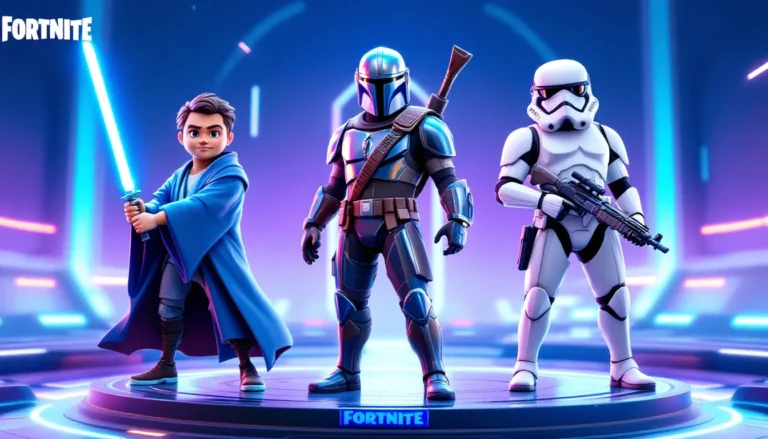
Both games are free-to-play with battle passes and cosmetic stores. They make money without forcing players to buy gameplay advantages. Fortnite edges ahead in brand collaborations, offering skins from Marvel, Star Wars, and countless other franchises.
Fortnite Vs Call of Duty Warzone
Fortnite vs Call of Duty Warzone represents a clash between arcade fun and military simulation. Warzone dropped in 2020 and brought Call of Duty’s signature gunplay to the battle royale format. It attracted players who wanted a more realistic combat experience.
Warzone uses a loadout system that changes the game completely. Players can purchase their custom weapon setups from buy stations. This means favorite guns follow them into every match. Fortnite forces everyone to scavenge, creating more unpredictable encounters.
The Gulag mechanic gives Warzone a unique second-chance system. Eliminated players fight 1v1 for a chance to respawn. Fortnite handles respawns through Reboot Vans, where teammates must retrieve cards and revive fallen squadmates. Both systems reduce frustration, but Warzone’s Gulag feels more personal and intense.
Map design shows clear differences in the Fortnite vs Warzone comparison. Warzone’s Verdansk and Al Mazrah maps feature realistic buildings, streets, and terrain. Fortnite’s island constantly evolves with themed locations, live events, and seasonal changes. The Fortnite map feels like a theme park while Warzone maps feel like actual places.
Player counts also vary. Warzone matches can hold up to 150 players. Fortnite typically caps at 100. Larger lobbies mean more chaos but also longer queue times and more third-party attacks.
Time-to-kill is much faster in Warzone. Armor plates provide protection, but skilled shooters can down opponents in under a second. Fortnite’s shield system and building mechanics extend fights significantly. Players who dislike instant deaths often prefer Fortnite’s more forgiving combat.
Fortnite Vs PUBG
Fortnite vs PUBG is the original battle royale rivalry. PUBG (PlayerUnknown’s Battlegrounds) essentially created the modern genre in 2017. Fortnite Battle Royale launched months later and quickly overtook its competitor.
PUBG takes realism seriously. Bullet drop, vehicle physics, and inventory management demand attention. Players must account for distance and lead their shots. Fortnite simplifies ballistics, making it easier for newcomers to land hits.
The pacing differs dramatically between these titles. PUBG matches often involve long stretches of looting and positioning. Tension builds slowly as the circle shrinks. Fortnite encourages aggressive play with faster storms and building-enabled pushes. Action happens more frequently.
Graphical fidelity favors PUBG for players who want realistic visuals. Grass sways, weather changes, and environments look believable. Fortnite vs PUBG in visual style is a clear split between cartoon and simulation. Many competitive players actually prefer Fortnite’s cleaner graphics because enemies stand out more clearly.
PUBG struggled with performance issues for years. Frame drops, server lag, and bugs frustrated the community. Fortnite has maintained smoother performance across platforms, including mobile devices and the Nintendo Switch. Epic Games optimizes Fortnite aggressively to reach the widest possible audience.
Both games offer squad modes, duos, and solos. PUBG added smaller maps and faster modes to compete with Fortnite’s variety. But, Fortnite’s constant updates, crossover events, and creative modes keep its content fresh. PUBG updates feel slower by comparison.
What Makes Fortnite Stand Out
Fortnite vs the competition comes down to several unique advantages. The building system remains unmatched. No other battle royale lets players construct defensive structures mid-fight. This mechanic raises the skill ceiling and creates spectacular moments.
Cross-platform play helped Fortnite dominate. PC players can squad up with friends on PlayStation, Xbox, Switch, and mobile. Epic Games pushed cross-play before most competitors adopted it. Families and friend groups benefit from this accessibility.
The live event strategy sets Fortnite apart completely. Concerts by Travis Scott and Ariana Grande drew millions of concurrent viewers. Story events destroy and reshape the map in real time. These shared experiences create memories that keep players coming back.
Fortnite’s cultural relevance extends beyond gaming. Dance emotes become viral trends. Celebrity collaborations generate mainstream news coverage. The game appears in movies, TV shows, and music videos. This visibility attracts new players constantly.
Epic Games updates Fortnite more frequently than competitors update their battle royales. New weapons, items, and mechanics arrive regularly. Seasonal chapter changes overhaul the entire experience. Players always have something new to explore.
The creative mode deserves mention too. Players build custom maps, game modes, and experiences. Some creations rival professional game development. This user-generated content extends Fortnite’s lifespan indefinitely.
Fortnite vs other options also wins on price. It’s completely free with no gameplay-affecting purchases. Cosmetics cost money, but skill determines victory. This model proves both player-friendly and extremely profitable for Epic Games.