What is Fortnite? It’s the free-to-play battle royale game that changed how millions of people think about online gaming. Developed by Epic Games and released in 2017, Fortnite drops up to 100 players onto an island where they fight until one player or team remains. The game combines shooting mechanics with a unique building system that lets players construct walls, ramps, and structures on the fly.
Fortnite has attracted over 500 million registered players worldwide. It generates billions in revenue through cosmetic purchases while keeping the core game free. Whether someone wants to understand what their kids are playing or is curious about jumping in themselves, this guide covers everything about Fortnite, how it works, where to play it, and why it became a global sensation.
Table of Contents
ToggleKey Takeaways
- Fortnite is a free-to-play battle royale game developed by Epic Games where up to 100 players compete until one remains.
- The unique building system sets Fortnite apart, allowing players to construct walls, ramps, and structures instantly during combat.
- Fortnite offers multiple game modes including Battle Royale, Zero Build, Creative, LEGO Fortnite, and Rocket Racing.
- The game supports cross-platform play across PlayStation, Xbox, Nintendo Switch, PC, and Android, syncing progress through one Epic Games account.
- Fortnite is rated Teen for action violence with no blood or gore, but parents should configure voice chat and purchase restrictions for younger players.
- Epic Games keeps Fortnite fresh through seasonal updates, new content, and popular crossover events with brands like Marvel, Star Wars, and major music artists.
How Fortnite Works
Fortnite follows a simple premise with surprising depth. Each match begins with players jumping from a flying bus over a large island map. They choose where to land, scavenge for weapons and items, and eliminate opponents while a shrinking storm forces everyone toward the same area.
The storm mechanic keeps matches moving. A circle appears on the map, and players outside it take damage. This circle gets smaller over time, pushing survivors into tighter spaces and forcing confrontations. A typical Fortnite match lasts about 20 minutes.
What sets Fortnite apart is its building system. Players gather materials, wood, brick, and metal, by destroying objects in the environment. They use these materials to build walls, floors, ramps, and roofs instantly. Skilled players combine building with combat to gain high ground, create cover, or escape danger. This mechanic adds a strategic layer that other battle royale games lack.
Fortnite uses a seasonal content model. Each season introduces new weapons, map changes, and story elements. Epic Games updates Fortnite regularly, keeping the experience fresh. Players earn Battle Pass rewards by completing challenges and leveling up throughout each season.
Game Modes and Features
Fortnite offers several distinct game modes beyond its flagship battle royale.
Battle Royale remains the most popular mode. Players can compete solo, in duos, or in squads of up to four. Zero Build mode removes the construction element entirely, appealing to players who prefer straightforward shooter gameplay.
Creative gives players tools to build their own islands and game modes. User-created content ranges from racing games to horror experiences to elaborate obstacle courses. Some community creations have millions of plays.
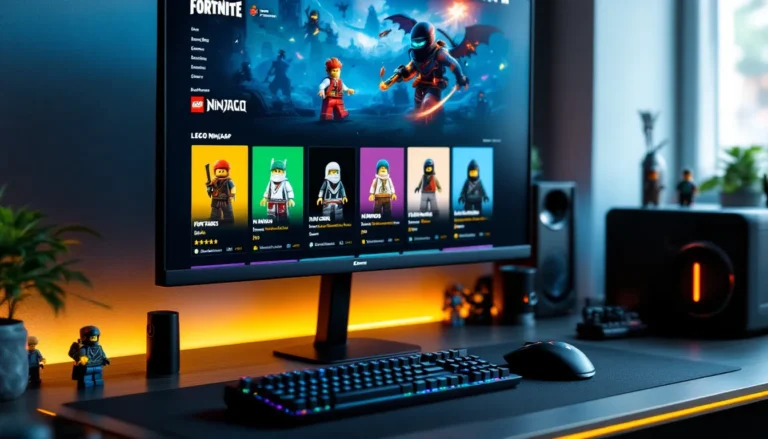
LEGO Fortnite launched in late 2023 as a survival crafting game with LEGO-style graphics. Players gather resources, build villages, and explore a blocky world. It represents Epic’s push to make Fortnite a platform rather than just a game.
Rocket Racing and Fortnite Festival add racing and rhythm game experiences to the Fortnite ecosystem. These modes use the same account and V-Bucks (the in-game currency) as battle royale.
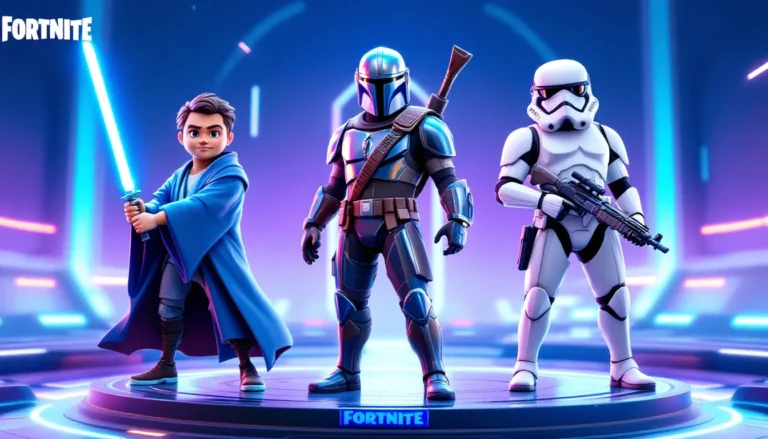
Fortnite is famous for its crossover events. Players can purchase skins featuring characters from Marvel, Star Wars, DC Comics, and dozens of other franchises. The game has hosted virtual concerts by artists like Travis Scott, Ariana Grande, and Eminem that attracted millions of simultaneous viewers.
Platforms and Accessibility
Fortnite runs on nearly every gaming platform available. Players can download Fortnite on PlayStation, Xbox, Nintendo Switch, PC, Mac, and Android devices. Cloud gaming services like Xbox Cloud Gaming and GeForce Now also support Fortnite.
iPhone and iPad players lost access to Fortnite in 2020 after a dispute between Epic Games and Apple. The game remains unavailable on the iOS App Store as of late 2024, though Epic has announced plans to bring it back through alternative means.
Cross-platform play is a major strength. A PlayStation player can team up with friends on Switch and PC in the same match. Progress, purchases, and cosmetics sync across all platforms through a single Epic Games account.
Fortnite’s free-to-play model removes financial barriers. Players download and play without spending money. The game monetizes through optional cosmetic purchases, skins, emotes, and battle passes that offer no competitive advantage. This approach makes Fortnite accessible to anyone with compatible hardware and an internet connection.
System requirements stay modest. Fortnite runs on older computers and even mobile phones, though performance improves on better hardware.
Why Fortnite Became a Cultural Phenomenon
Fortnite’s success comes from several factors working together.
Timing played a role. Fortnite Battle Royale launched when the genre was gaining momentum but before market saturation. The free price point let millions try it without risk.
The game’s visual style appeals broadly. Fortnite uses colorful, cartoonish graphics rather than realistic violence. Characters perform silly dances and wear outlandish costumes. This lighter tone attracted younger players and parents who might avoid grittier shooters.
Social features turned Fortnite into a hangout space. Friends meet in-game to chat, complete challenges together, or just mess around in creative modes. For many kids and teens, asking “want to play Fortnite?” became the new “want to hang out?”
Streaming amplified everything. Popular creators on Twitch and YouTube played Fortnite constantly during its 2018 peak. Ninja, one of the biggest streamers, became a household name largely through Fortnite content.
Epic Games maintains momentum through constant updates and cultural tie-ins. New seasons bring map changes that feel like events. Crossovers with movies, musicians, and brands keep Fortnite in conversations beyond gaming circles. The game stays relevant by evolving alongside popular culture.
Is Fortnite Safe for Kids?
Fortnite carries a Teen rating from the ESRB for action violence. The cartoonish style means no blood or gore, defeated players simply disappear. Many parents consider it appropriate for children younger than 13, though individual tolerance varies.
The bigger concerns involve online interactions. Fortnite includes voice chat by default. Players can hear and speak with strangers unless settings are changed. Parents should review privacy settings and consider disabling voice chat for younger players.
Spending poses another risk. Fortnite pushes cosmetic purchases heavily. Kids may pressure parents for V-Bucks or use saved payment methods without permission. Setting up purchase restrictions prevents surprise charges.
Screen time becomes an issue for some families. Fortnite’s match structure and social elements encourage extended play sessions. Each game lasts around 20 minutes, making “just one more match” an easy trap.
Epic Games offers parental controls through the Epic Games Store and in-game settings. Parents can limit friend requests, restrict purchases, and disable voice chat. Taking time to configure these options makes Fortnite safer for younger players.